

Agenda - 2026
*The agenda is under development and subject to change. If you are interested in running a session, please get in touch with us here.
08:00 – 09:00 | Registration Opens
09:00 – 09:05 | Opening Remarks
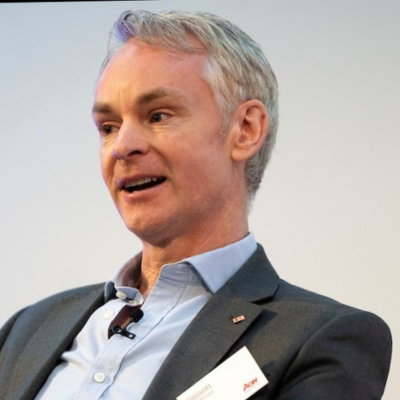
Simon Meldrum
Executive Director
Humanitarian Finance Forum
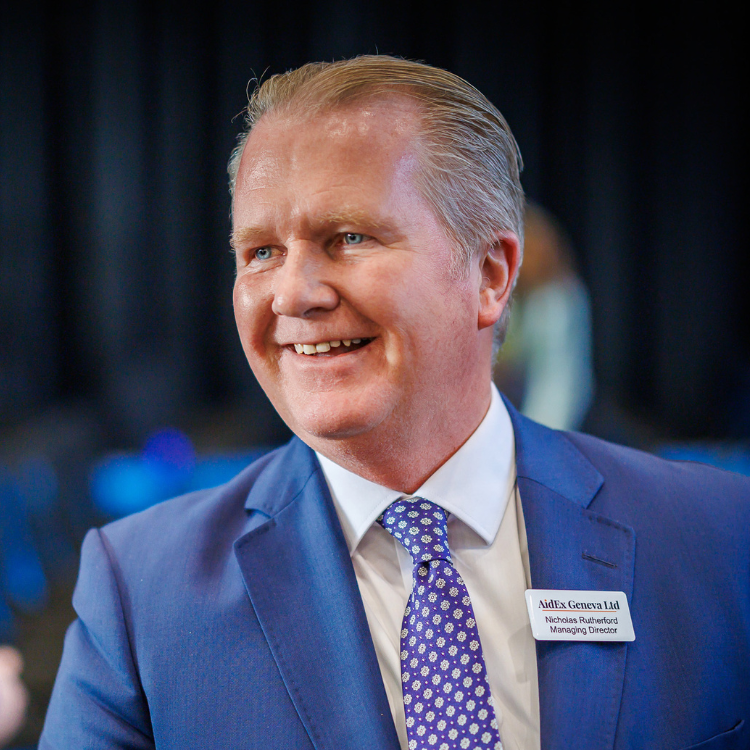
Nicholas Rutherford
Managing Director
AidEx
09:05 – 09:30 | Presentation: 2025 Global Humanitarian Assistance Report: Challenges & opportunities for humanitarian financing
The Summit opens with a data-driven presentation of the 2025 Global Humanitarian Assistance Report, which paints a sobering picture of the sector’s financial health. Amid unprecedented funding shortfalls, shrinking donor commitments, and rising needs, the report underscores the urgent need to rethink how we fund and govern humanitarian action. The report also highlights the growing role of non-traditional donors and emerging trends in anticipatory financing.

Mike Pearson
Research Fellow, Humanitarian Policy Group (HPG); Global Humanitarian Assistance Lead, ALNAP
09:30 – 09:50 | In Conversation: Sir Andrew Mitchell, Former UK Minister for International Development, and Dr. Hanan Balkhy, WHO Regional Director for the Eastern Mediterranean
This fireside conversation explores the realities of the global retreat in humanitarian and development financing, examining its implication for international norms, multilateral cooperation, and the protection of the world’s most vulnerable populations. Against a backdrop of protracted crises, competing global priorities, and increasing strain on humanitarian systems, the discussion invites participants to reflect on what is at stake - and what must be reimagined - if global solidarity is to be sustained.
Bringing together Sir Andrew Mitchell’s experience shaping international development policy at the highest political level, alongside Dr. Hanan Balkhy’s leadership at the forefront of regional and global public health responses, the dialogue bridges political decision-making and operational realities. Their perspectives offer a timely and grounded lens on how funding trends are affecting humanitarian action on the ground, how global institutions and norms are being tested, and what questions policymakers, practitioners, and partners should be asking throughout the day’s agenda.

Rt Hon Andrew Mitchell MP
Former UK Minister for International Development
Ministry for International Development
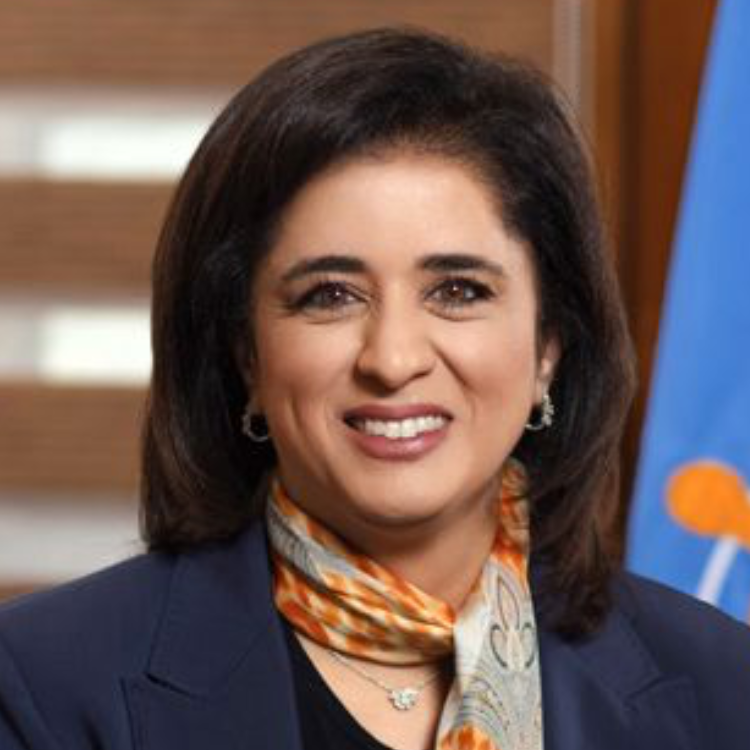
Dr. Hanan Balkhy
Regional Director for the Eastern Mediterranean
World Health Organisation
09:50 - 11:00 | Opening Plenary: From liquidity crunch to financial transformation - Donor leadership in unlocking new capital
Today’s liquidity pressures are exposing deeper structural weaknesses in humanitarian finance. The system still relies heavily on fragmented grants, reactive appeals, and a narrow donor base. Yet Public donors hold the mandate and capability to shift this trajectory. Building on the Forum’s note The Role of Governments in Unlocking Private Capital, this plenary considers how public finance can be deployed more strategically to crowd in private capital, improve risk management, and strengthen national responders while setting the policy conditions for more predictable and scalable crisis funding. With innovations already emerging from pooled and country systems, anticipatory action, and blended capital facilities, there is a clear path towards a more resilient and investable humanitarian architecture. This session brings together government, humanitarian, and local leaders to explore practical steps donors can take now to stabilise liquidity and unlock new financial partnerships that drive better outcomes at scale.
This opening plenary brings together leaders from finance, policy, and humanitarian response to explore a central question: How can we address the liquidity crisis of today while building the financing system we need for tomorrow?

Béatrice Butsana-Sita
CEO
British Red Cross
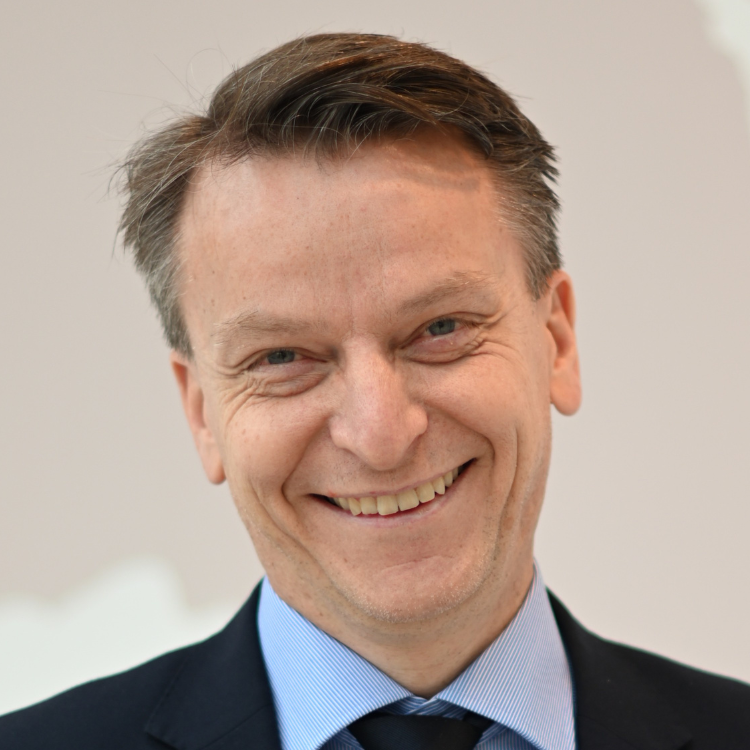
Kjell Forsberg
Assistant Director General and Head of Department for Trade, Private Sector & Financial Instruments
SIDA
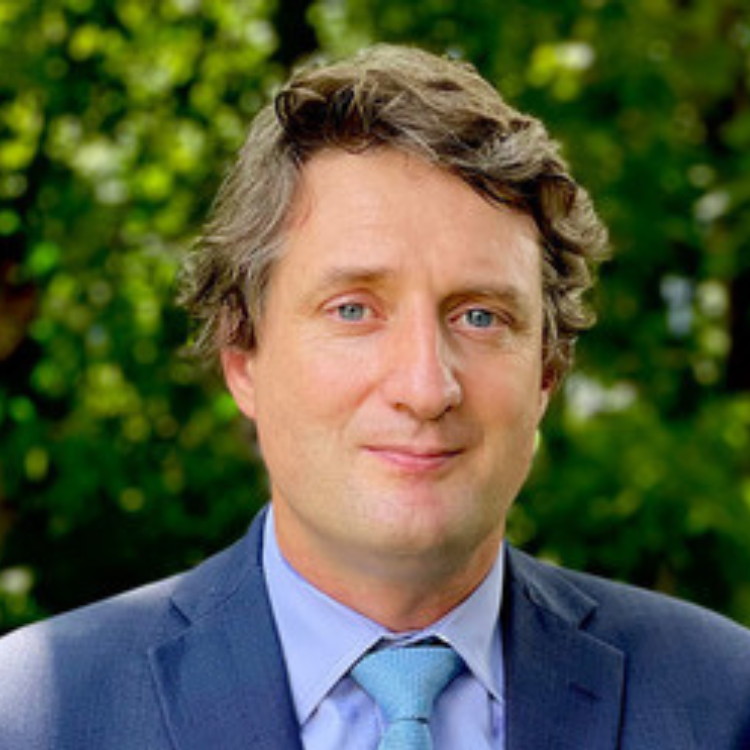
Rurik Marsden
Deputy Director
FCDO

Nadine Saba
Co-Founder and Director
Akkar Network for Development
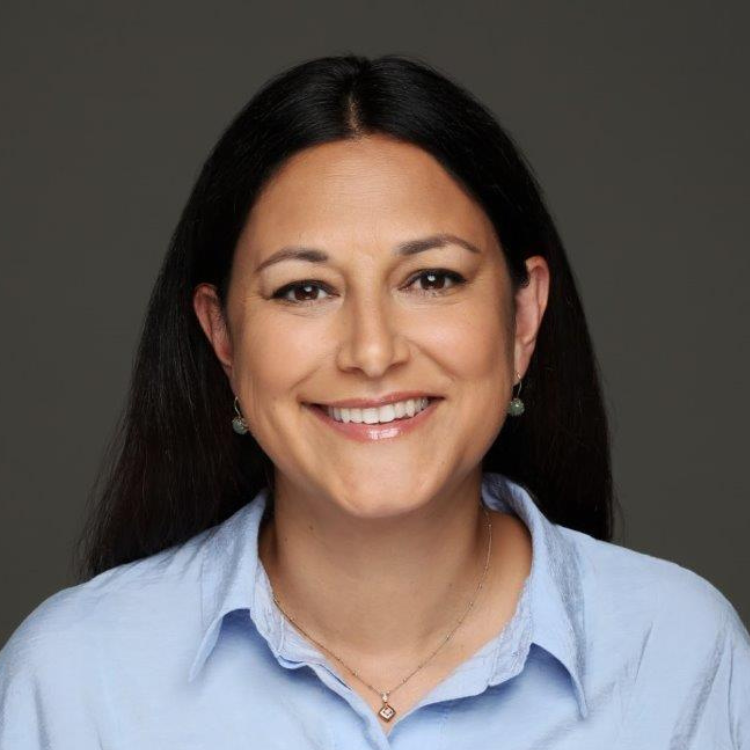
Sayyeda Salam
Executive Director
Concern Worldwide UK
11:00 - 11:25 | Coffee Break
Churchill Room
11:25 – 12:45 | Panel: Beyond traditional aid – New financing partnerships and leaders for humanitarian action
As traditional aid structures face increasing strain, the humanitarian system must rethink who leads, who funds, and how responsibility for crisis response is shared. This session brings together the emerging donors, philanthropies, and innovative financing actors reshaping the future of humanitarian action. These non-traditional partners are filling a critical gap left by overstretched aid budgets and introducing new forms of capital, stronger regional and local ownership, and fresh perspective drawn from climate finance, blended finance, and private sector engagement.
Gielgud Room
11:25 – 12:45 | Discussion: Developing partnerships with financial institutions – What would it take to mobilise $10 billion in humanitarian impact capital by 2030?
This breakout session brings together industry leaders from across capital markets, the humanitarian, asset management, and impact investment worlds to explore what it would take to mobilise $10 billion in humanitarian innovative finance by 2030. The discussion will address the practical pathways for scaling investments, what it takes to build investor confidence and incentivise private capital, and the reforms needed to build an investable humanitarian finance ecosystem.
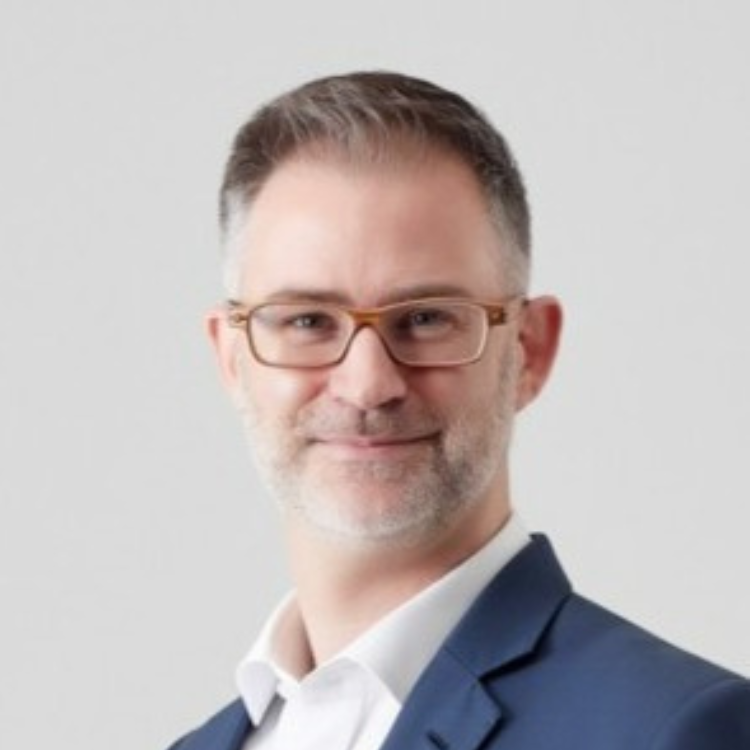
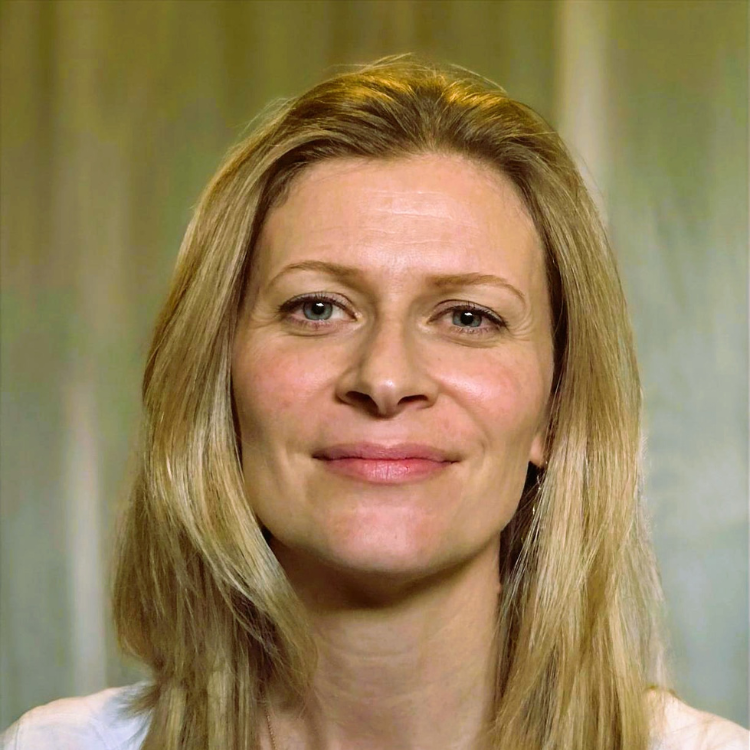
Jack Nichols
Senior Legal Counsel and Board Advisor
GAVI & IFFIm
Emma Gremley
Senior Director Education, Economic Recovery & Development
International Rescue Committee (IRC)
Shaheen Verjee
Director of Development and Strategic Partnerships
Women's World Banking
Samuel Williams
Head of Fund
Christian Aid Resilient Futures Fund
Martin Diaz Plata
Head of Private Equity Investments
BlueOrchard


Lev Plaves
Director of Investments
Kiva
Gloria Soma
Executive Director
Titi Foundation
Vanina Farber
elea Professor for Social Innovation
Institute for Management Development (IMD)
Wanji Ng'ang'a
Associate Director of Investing
Acumen
Lance Bartholomeusz
General Counsel
UNHCR
12:45 – 13:45 | Networking Lunch
Churchill Room
13:45 – 15:05 | Panel: Aligning risk financing and anticipatory action
As anticipatory action has gained significant traction within the humanitarian sector in recent years, demonstrating that acting before crises peak can save more lives, protect livelihoods, and reduce costs. To scale anticipatory action, the sector must move decisively from ex post disaster response to ex ante risk management – embedding early action within integrated disaster risk financing systems. This means linking forecast-based triggers to pre-arranged funding, combining instruments such as contingency funds, insurance, and crisis bonds to ensure resources flow when and where they are most needed. This session explores how humanitarian, development, and finance actors can work together to create systems that align risk financing that are faster, more predictable, and capable of addressing today’s escalating climate and conflict risks.

Amir Sethu
Head of Sustainability and ESG
MS Amlin
Emily Jones
Macro Insurance Programmes Lead
WFP
Ben Webster
Associate Director - Advisory, Training & Engagement
Centre for Disaster Protection
Christina Bennett
CEO
START Network
Emma Karhan
Head of Private Public Partnerships
Aon

Gielgud Room
13:45 – 14:20 | Case Study: Mercy Corp: Enter Energy Initiative
In 2022, Mercy Corps introduced the Enter-Energy program in Ethiopia. This initiative aims to bring affordable, renewable energy services to humanitarian settings. The project includes solar mini-grids and energy services, promoting economic opportunities and improving the quality of life. To ensure sustainable delivery, Mercy Corps established a special purpose vehicle, Humanitarian Energy Plc, to manage the operations and maintenance of the solar mini-grid, ensuring a reliable energy supply. By May 2024, the project started providing clean energy to over 17,600 refugees and host community members in Sheder.
Chiara Buzzico
Senior Lead Energy
Mercy Corps
Anne-Sofie Munk
Director
Humanitarian Innovative Finance Hub (HIFHUB)
14:20 – 14:30 | Break
14:30 – 15:05 | Case Study: Rethinking investment risk in displacement-affected markets
In this interactive case study, Inkomoko invites participants to examine a contradiction at the heart of humanitarian finance. Entrepreneurs in displacement-affected communities face real investment barriers, including legal documentation challenges, limited market access, and high transaction costs, which are often compounded by perceptions of risk embedded in conventional investment criteria. Over the past decade, Inkomoko has supported more than 125,000 MSMEs across five displacement-affected countries in Africa, deploying over USD 50 million in direct financing. By de-risking investments through hands-on advisory and skills-building rather than collateral, Inkomoko has achieved a 97% repayment rate, demonstrating that businesses in these communities are as investable as any other. This case explores why, despite strong performance evidence, financial service providers have been slow to enter these markets and what must change to move from isolated success to system-level participation.
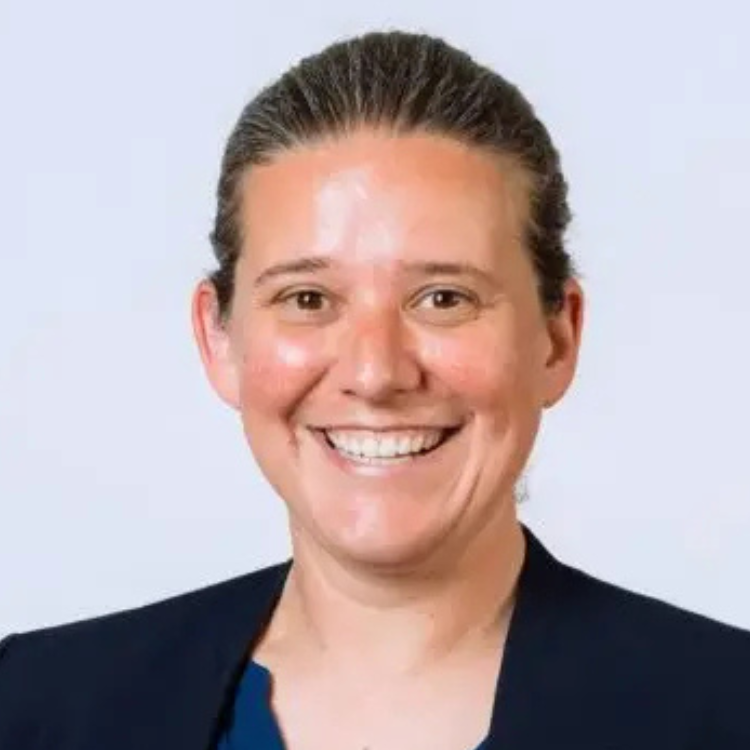
Julienne Oyler
CEO
Inkomoko
Florian Kemmerich
Co-Founder & Managing Partner
Human Planet
15:05 – 15:35 | Coffee Break
Churchill Room
15:35 – 16:10 | Fireside Chat: From cash to financial inclusion in fragile markets - A blended finance approach
Cash now accounts for around a fifth of global humanitarian aid and has transformed the experience of people receiving support. Yet this has not translated into deeper financial inclusion. At the same time, DFIs are under pressure to operate closer to crisis settings and engage earlier in the resilience and livelihoods space.
This session brings these two trends together. Building on PROPARCO’s recent report on “Financial Inclusion of People Benefiting from Humanitarian Cash Transfers” the session will explore how humanitarian cash can be linked to long term financial inclusion and how DFIs can play a catalytic role in making that possible. We will discuss the systemic barriers that keep accounts dormant, the importance of economic participation, and the types of partnerships needed to create viable financial pathways for people in humanitarian settings.
Through the cases from multiple regions, the discussion will demonstrate how blended finance can support local financial institutions, strengthen payment infrastructure, and crowd in investment to humanitarian and FCA settings.
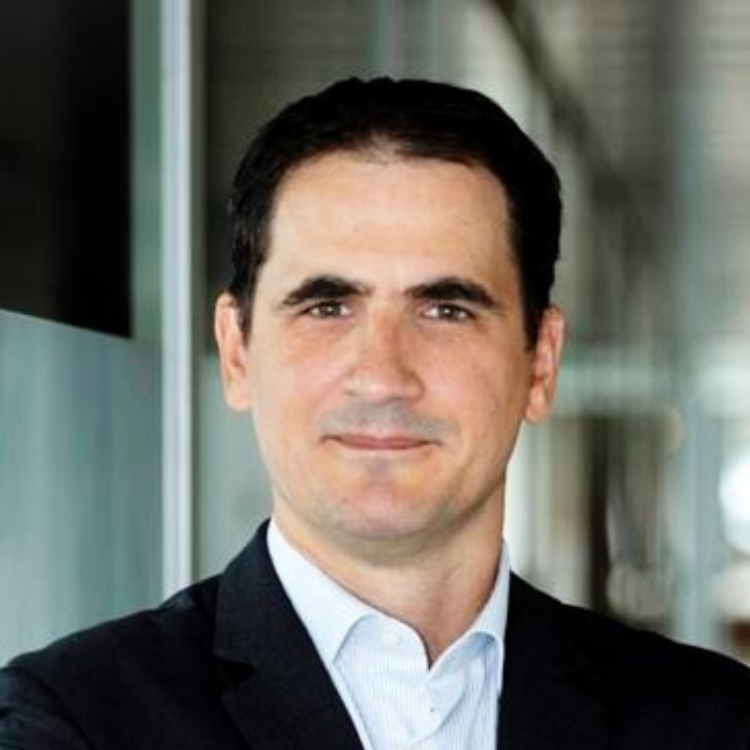
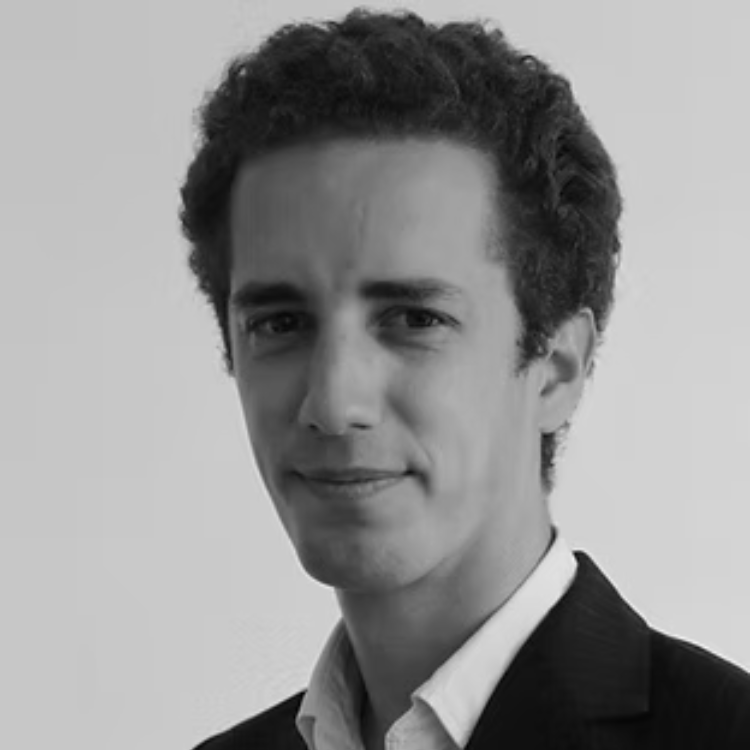
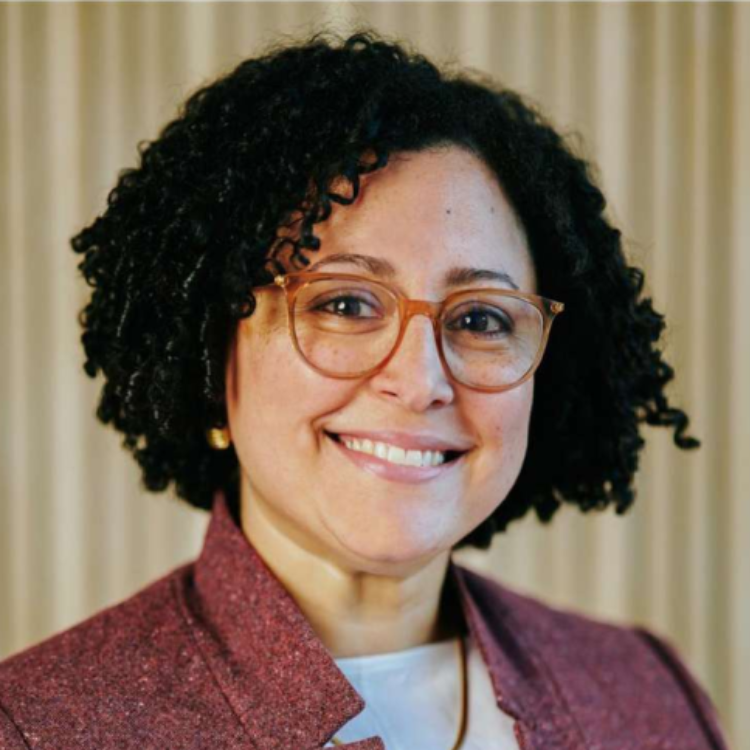
Thomas Husson
Head of Investing in Fragile Markets
Proparco
Guillaume de Chorivit
Director
Altai Consulting
Simon Meldrum
Executive Director
Humanitarian Finance Forum
16:10 – 16:20 | Break
16:20 – 16:55 | Fireside Chat: Improving financial access for displaced communities through blended finance
Nirvana Shawky
Executive Director, Partnerships, Advocacy, Engagement and Resource Mobilization (PAER)
Danish Refugee Council
Anne-Sofie Munk
Director
Humanitarian Innovative Finance Hub (HIFHUB)
Gielgud Room
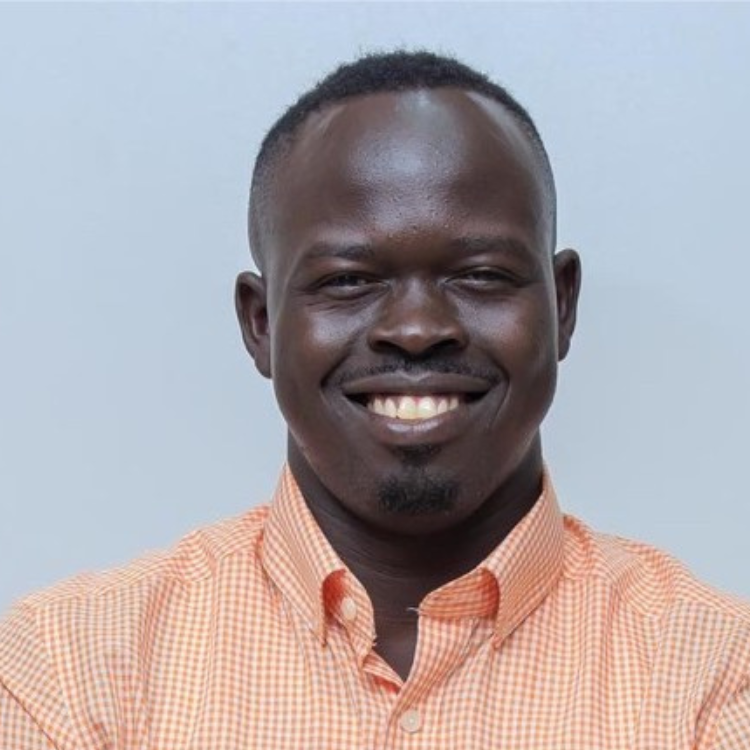
15:35 – 16:10 | Case Study: Acumen: Omia Agribusiness
Uganda is home to roughly 1.9 million forcibly displaced people, many of whom rely on agriculture for survival yet remain locked out of stable markets and economic opportunity. From his family's experience of displacement, Iganachi Razaki Omia, founder of Omia Agribusiness, witnessed these challenges first-hand — and saw the untapped potential of displaced farmers when given the right tools and access. Today, Omia connects refugee and host-community farmers to reliable markets and affordable inputs, creating more sustainable livelihoods for over 8,000 refugees.
This session explores how companies like Omia — and the investors who support them — can help build more durable economic pathways for refugees and displaced people. It will examine why private investment is a crucial component to humanitarian efforts, surface the real challenges of deploying capital in fragile contexts, and offer a concrete example from Acumen's investing team on how capital was structured to support Omia's growth and impact on refugee farmers. Participants will have the opportunity to ask questions to both Omia and Acumen throughout Q&A, and gain practical insight into how private capital can be designed to support sustainable livelihoods and pathways toward greater self-reliance.
Iganachi Razaki Omia
CEO and Founder
Omia Agribusiness Development Group (OADG) Uganda
Vanina Farber
elea Professor for Social Innovation
IMD
16:10 – 16:20 | Break
16:20 – 16:55 | Case Study: UNHCR: Global Islamic Fund for Refugees
Launched in 2022 by the Islamic Development Bank (IsDB), Islamic Solidarity Fund for Development (ISFD), and the United Nations High Commissioner for Refugees (UNHCR), the GIFR represents a first-of-its-kind Shariah-compliant financing mechanism to support programs serving the refugees and host communities in IsDB member countries. It comprises of Waqf and Non-Waqf modalities, enabling contributions from a wide range of donors and benefactors. Contributions are invested according to Islamic Finance principles and Shariah guidelines, with proceeds used to support critical humanitarian efforts for refugees, including access to education, water, sanitation, shelter, and opportunities.

Lance Bartholomeusz
General Counsel
UNHCR
Edina Csányi
Senior Social Officer
European Investment Bank (EIB) Institute
16:55 – 18:15 | Closing Dialogue: Financing resilience in fragile and conflict affected humanitarian settings
This session focuses on how capital providers can operate more effectively across the Humanitarian-Development-Peace (HDP) Nexus to support vulnerable communities in fragile and conflict affected settings. It examines what is required to finance resilient systems and functioning markets in environments defined by volatility, weak institutions, and chronic underinvestment. The dialogue moves beyond HDP Nexus and asks what DFIs, philanthropic investors, governments, and humanitarian actors must do together to reduce risk, create investable pathways, and strengthen resilience at scale.

Bathylle Missika
Head of the Inclusive Development and Partnerships Division
OECD Development Centre
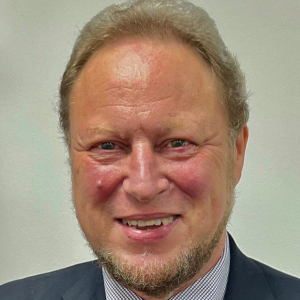
Michael Koehler
Ambassador
Grand Bargain
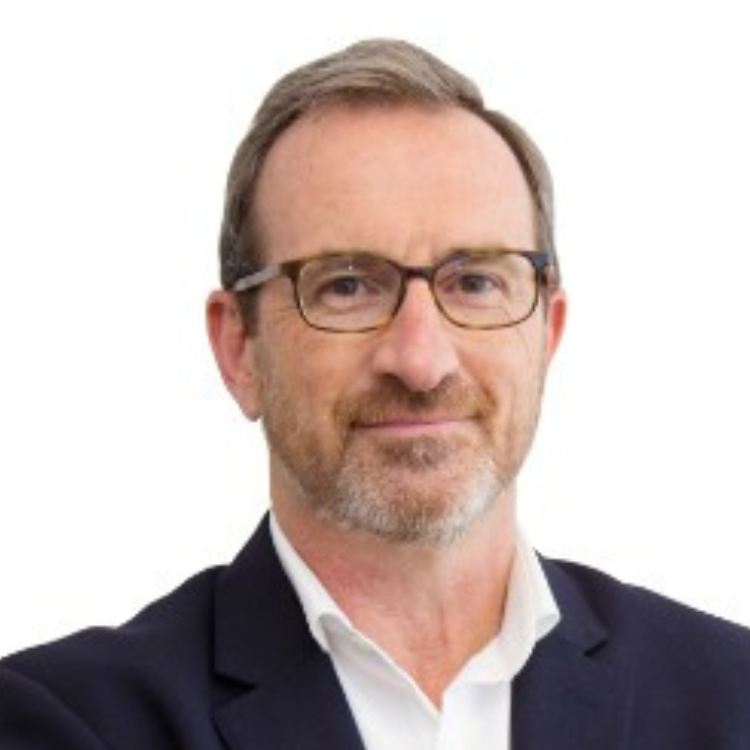
Michel Botzung
Head of the IFC-UNHCR Joint Initiative
International Finance Corporation (IFC)
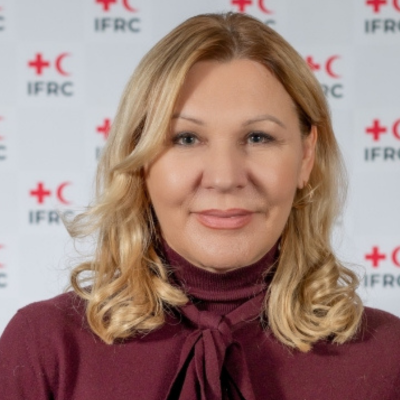
Nena Stoiljkovic
Under Secretary General for Global Relations, Humanitarian Diplomacy and Digitalization
IFRC

Simon Kingston
Managing Director, Intelligence for Development, GMTL Advisory and Senior Advisor, Russell Reynolds
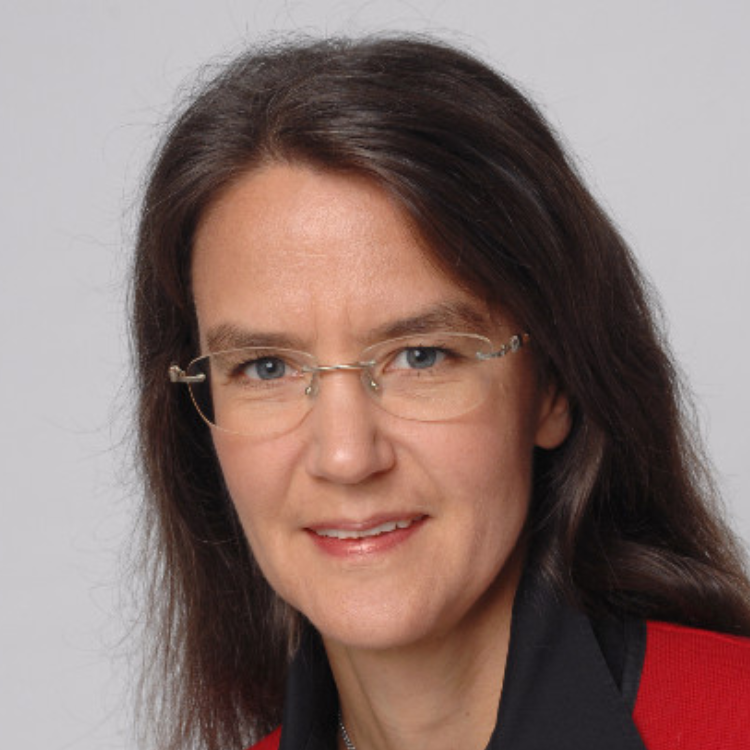
Astrid Manroth
Head of Blended Finance and Strategy, Impact & Partnerships
European Bank for Reconstruction and Development (EBRD)
18:15 - 19:30 | Networking Reception

Networking Drinks Reception sponsored by:
Remarks delivered by:
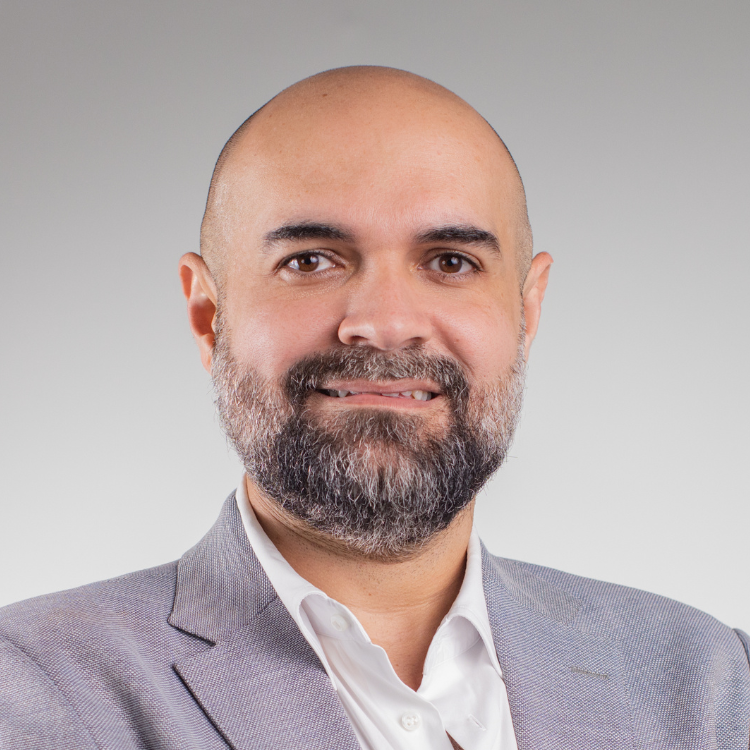
Atef Fawaz
Executive Director
eHealth Africa